Source 5G Module for IoT, Telecom, and Industrial Use
Find and compare 30 listings for 5G Module components including Qualcomm and RG530F chipsets. Evaluate specifications such as MiniPCIE interfaces, 5V/3.3V power options, and 5G band support for your specific hardware integration needs.
Key considerations
Products List






Comprehensive Sourcing Guide
5G Module Sourcing Guide
Sourcing 5G modules requires a disciplined approach to technical verification and supplier qualification, as the market contains a diverse mix of cellular connectivity components and general-purpose RF hardware. Buyers must distinguish between true cellular 5G modules, which integrate complex baseband processors and modem firmware, and generic RF modules that may operate on different frequency bands or lack cellular authentication capabilities. The observed product landscape includes items explicitly labeled as 5G modules, such as those utilizing Qualcomm chipsets, alongside other wireless components like Wi-Fi or general RF transceivers that share similar packaging or interface types. This distinction is critical because procurement errors often stem from conflating these categories, leading to incompatible hardware deployments in IoT or industrial applications.
The supply chain for these components is characterized by significant variation in origin, customization options, and processing trade methods. Listings indicate origins in China and Vietnam, with specific mentions of Shanghai and Guangdong as key production hubs. Suppliers frequently offer customization services, ranging from non-customized standard units to specialized configurations involving adapter boards and multiple antennas. Understanding these variables is essential for aligning procurement strategies with specific project requirements, particularly when dealing with processing trade arrangements that involve imported materials. Buyers must navigate this complexity by focusing on precise technical specifications rather than broad category labels to ensure the acquired modules meet the intended operational standards.
Product Scope and Observed Listing Signals
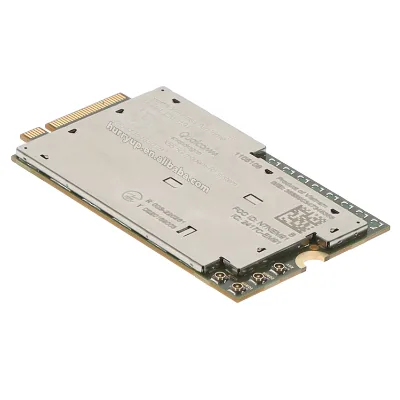
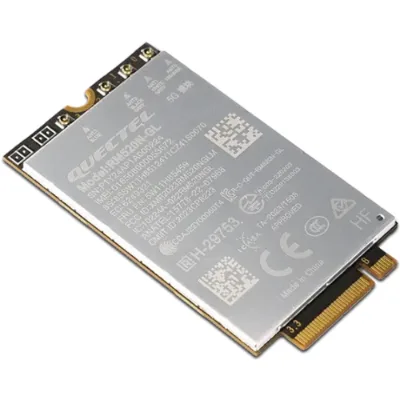
The current market listings reveal a wide spectrum of wireless communication modules, with prices ranging from zero to 5700 USD and minimum order quantities (MOQs) varying between one and 1000 units. This broad range suggests that the catalog includes both low-volume prototype components and high-volume industrial supplies. The presence of items like the EM9191 and EM9190, identified as 5G modules with Qualcomm chipsets, indicates a segment focused on high-performance cellular connectivity. These specific models are often paired with additional hardware such as adapter boards and multiple antennas, suggesting that buyers may need to procure complete solution kits rather than standalone modules to achieve full functionality in their devices.
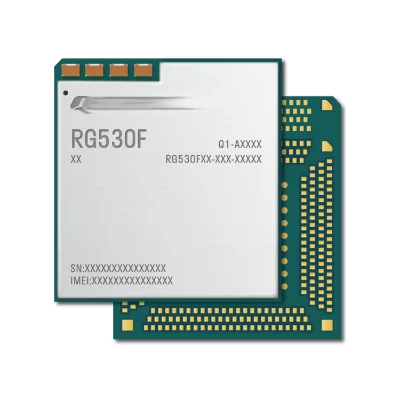
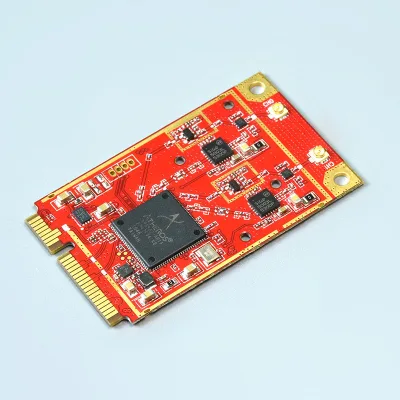
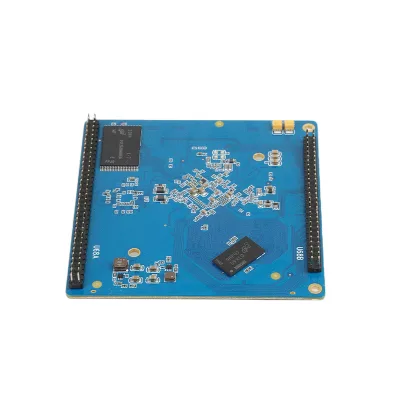
In contrast, other listings describe products with different technical profiles, such as the RG530F chipset modules or the Oolite-IPQ4019 V2.0 RF modules. The RG530F is described as supporting 3G, 4G, and 5G bands, while the Oolite product operates in the 5.18 GHz to 5.825 GHz frequency range with wireless speeds of 150/300 Mbps, which is characteristic of Wi-Fi rather than cellular 5G. This diversity highlights the importance of scrutinizing the "Application" and "Chipset" attributes in supplier listings. Buyers should verify that the module’s interface, such as MiniPCIe, and its physical dimensions, like the 29.8mm x 50.8mm size for the GS-PQB20, match their device’s mechanical and electrical constraints before placing orders.
Technical Specifications to Verify
When evaluating 5G modules, the chipset architecture is the primary determinant of performance and compatibility. Modules utilizing Qualcomm chipsets, such as the EM9191 and EM9190, are designed for high-speed cellular data transmission and require specific driver support and firmware updates. Buyers must confirm that the supplier provides the necessary software development kits (SDKs) and technical documentation to integrate these chipsets into their final products. Additionally, the interface type, such as MiniPCIe, must be compatible with the host system’s slot, and the voltage requirements, which may include 5V or 3.3V inputs, must align with the device’s power management system to prevent hardware damage.
Physical dimensions and packaging details are equally critical for successful integration. The single package sizes observed, ranging from 2x2x2 cm to 75x75x10 mm, indicate that form factor selection is driven by the target application’s space constraints. For instance, compact modules suitable for small IoT devices differ significantly from larger units designed for industrial gateways. Buyers should also verify the antenna configuration, as some listings specify multiple U.FL connectors for different frequency bands, such as 2.4GHz and 5.8GHz. Ensuring that the module includes the correct number of antennas and connectors is vital for maintaining signal integrity and achieving the advertised wireless speeds.
Compliance and Safety Documentation
Regulatory compliance is a non-negotiable aspect of sourcing 5G modules, as these devices must meet strict telecommunications and electromagnetic interference standards in their target markets. Buyers should request evidence of certification from recognized testing laboratories, ensuring that the modules comply with regional regulations such as FCC in the United States, CE in Europe, or other local standards. The absence of specific certification details in general listings does not imply compliance; rather, it places the burden on the buyer to verify that the supplier has obtained the necessary approvals for the specific chipset and frequency bands used in the module.
Safety documentation should also include detailed electrical specifications and thermal management guidelines. Modules with higher power consumption, such as those supporting 5G connectivity, generate significant heat and require adequate cooling solutions. Buyers must review the supplier’s data sheets for maximum current draw, operating temperature ranges, and recommended heat dissipation methods. Additionally, the packaging details, such as the use of plastic trays or blister packs, should be assessed for their ability to protect sensitive electronic components during shipping and storage, preventing static discharge damage or physical deformation that could compromise performance.
Cost Drivers and Commercial Terms
The cost of 5G modules is influenced by several factors, including the chipset complexity, the level of customization, and the volume of the order. High-performance chipsets like Qualcomm’s offer superior data rates and lower latency but come at a premium price compared to older generation modules. Customization options, such as the inclusion of adapter boards or specific antenna configurations, can further increase the unit cost. Buyers should analyze the total cost of ownership, which includes not only the module price but also the cost of integration, testing, and potential warranty claims, to make informed procurement decisions.
Commercial terms, including minimum order quantities and payment conditions, vary significantly among suppliers. The observed MOQ range of 1 to 1000 units suggests that some suppliers cater to small-scale prototyping, while others focus on mass production. Buyers should negotiate terms that align with their production schedule and cash flow requirements. Additionally, the processing trade method, such as processing with imported materials, may impact lead times and supply chain resilience. Understanding these commercial dynamics allows buyers to structure contracts that mitigate risks associated with supply disruptions and price fluctuations.
Supplier Qualification and Quality Control
Supplier qualification is essential to ensure the reliability and consistency of 5G modules. Buyers should assess the supplier’s manufacturing capabilities, quality control processes, and after-sales support. Suppliers that offer "New & Original" products and specify their brand as "Original" or "Oolite" may provide better traceability and warranty coverage. However, buyers must verify these claims through independent channels, such as checking the supplier’s business registration and requesting samples for rigorous testing. The condition of the products, listed as "New," should be confirmed upon receipt to ensure that no refurbished or damaged units are delivered.
Quality control measures should include incoming inspection, functional testing, and environmental stress screening. Buyers should establish clear acceptance criteria for parameters such as signal strength, data throughput, and power consumption. Suppliers that offer "Super Precision Finishing" and adhere to specific standards, such as 0.3kgs per piece, may indicate a focus on quality and consistency. However, buyers must define their own quality metrics and conduct regular audits to ensure that the supplier maintains these standards over time. Establishing a strong relationship with the supplier can also facilitate faster resolution of technical issues and better support during product lifecycle management.
Long-Term Procurement Checks
Long-term procurement success depends on continuous monitoring of supplier performance and market trends. Buyers should regularly review supplier delivery times, product quality, and responsiveness to technical queries. The supply chain for 5G modules is dynamic, with new chipsets and standards emerging frequently. Buyers must stay informed about technological advancements and regulatory changes that may impact their procurement strategy. For instance, the transition from 4G to 5G requires careful planning to ensure that existing infrastructure can support the new modules and that the chosen chipsets remain supported by the manufacturer for the expected product lifecycle.
Additionally, buyers should diversify their supplier base to mitigate risks associated with single-source dependencies. The observed origins in China and Vietnam offer geographic diversification, but buyers must assess the political and economic stability of these regions. Establishing long-term contracts with multiple qualified suppliers can provide flexibility and bargaining power. Regularly updating the supplier qualification criteria and conducting periodic performance reviews will help maintain a robust and resilient supply chain, ensuring that the procurement of 5G modules continues to meet the evolving needs of the business.
FAQs
What chipsets are available for 5G modules?
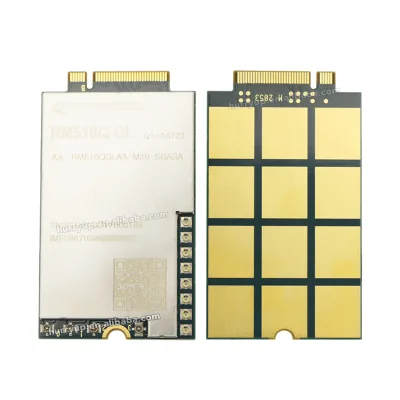
Available chipsets include Qualcomm, RG530F, and AR9582. These modules support various applications such as 5G, 3G, and 4G connectivity. Specific models like EM9191 and RM510Q utilize these chipsets for different industrial needs.
Can I find 5G modules with customization options?
Yes, customization is available for these products. While some items are listed as non-customized, the general offering allows for tailored solutions. Buyers should verify specific model requirements to ensure the desired configuration is met.
Which 5G modules support MiniPCIE interfaces?
The RG530F model supports the MiniPCIE interface. This specification is critical for integration into specific hardware designs. Other models may have different interface requirements, so checking the datasheet is recommended.
What are the packaging details for these modules?
Packaging typically includes cartons, plastic pallets, plastic trays, or blister packs. Single package sizes vary, ranging from 2x2x2 cm to 75x75x10 mm depending on the specific model and its dimensions.
Where are these 5G modules manufactured?
Products originate from China, Vietnam, Shanghai, and Guangdong. The specific place of origin depends on the manufacturer and model. Buyers should confirm the location for shipping and compliance purposes.
What is the typical MOQ for 5G modules?
The observed MOQ range is from 1 to 1000 units. This flexibility allows buyers to order small quantities or bulk stock. Specific minimums depend on the supplier and the particular model selected.
How do I identify the correct 5G Module model?
Models include EM9191, EM9190, RM510Q, RG530F, and Oolite-IPQ4019. Each model has unique specifications like size, frequency range, and chipset. Matching the application requirements to these specs ensures the correct selection.